
New Car Prices in India: Trends, Factors, and What to Expect in 2025
New Car Prices in India is one of the fastest-growing in the world, and as consumer demand continues to evolve, so do car prices. From affordable hatchbacks to luxurious SUVs and electric vehicles, the Indian car market offers something for every budget. But with fluctuating economic conditions, new regulations, and changing consumer preferences, car prices have seen notable shifts in recent years.
Let’s explore what’s driving new car prices in India, what trends are shaping the market in 2025, and how buyers can make smarter decisions. Brandcar
1. The Current Market Landscape
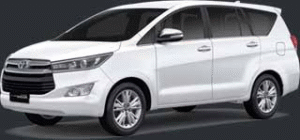
The Indian car market has become more diverse than ever. Major manufacturers are focusing on fuel efficiency, safety, and modern design. Compact SUVs have overtaken hatchbacks as the most popular category, reflecting the growing desire for style and practicality. New Car Models 2025, Prices in Pakistan, Comparisons
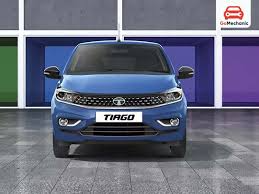
In 2025, prices for new cars in India range roughly from around ₹4–6 lakh for small hatchbacks, ₹8–15 lakh for mid-range sedans and compact SUVs, and up to ₹20 lakh and beyond for premium vehicles. Electric cars, though gaining momentum, are still priced higher, often starting around ₹10 lakh due to battery costs.
2. Key Factors Influencing Car Prices
Several elements determine how much a new car costs in India. Some are global in nature, while others are specific to local conditions. Brandcar
a. Raw Material Costs:
Steel, aluminum, and semiconductor prices directly impact car production costs. When these materials become expensive, car manufacturers pass some of the burden to consumers.
b. Government Regulations and Taxes:
GST, road taxes, and registration fees vary from state to state, significantly affecting the on-road price. Additionally, stricter emission standards such as BS6 have increased production expenses.
c. Exchange Rate and Imports:
Luxury cars and high-end components often come from abroad. A weaker rupee means higher import costs, which results in higher showroom prices.
d. Technological Advancements:
Modern cars are packed with new features—touchscreens, driver-assist systems, connected car technology—that make vehicles smarter but also more expensive to produce.
e. Consumer Demand and Market Competition:
Popular segments like compact SUVs witness price hikes due to high demand, while competitive segments often see aggressive pricing strategies to attract buyers. Brandcar
3. Trends Shaping the 2025 Car Market
Rise of Electric and Hybrid Cars:
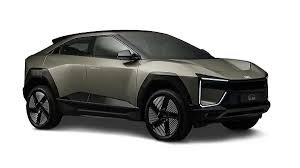
Electric vehicles are gaining ground thanks to environmental awareness and government incentives. While initially pricier, lower running costs make EVs attractive in the long run. Hybrid models are also becoming a bridge between conventional and electric mobility.
Focus on Safety and Comfort:
New safety norms have made airbags, ABS, and parking sensors standard in most vehicles. Consumers now expect advanced driver assistance and comfort features even in mid-range cars.
Smart Connectivity:
Car buyers today look for digital dashboards, app-based controls, and real-time vehicle tracking. Technology is no longer a luxury—it’s an expectation.
Shift in Buyer Preferences:
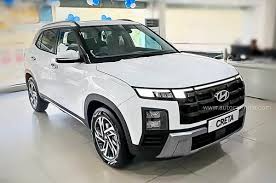
Urban families increasingly prefer compact SUVs for their blend of space, style, and practicality. Hatchbacks remain popular for first-time buyers, while sedans are being redefined with premium designs.
4. Tips for Buyers in 2025
-
Research On-Road Prices: Always check the full on-road cost, including taxes, insurance, and registration fees—it can add 10–15% to the ex-showroom price.
-
Compare Variants: Many models offer multiple trims. Sometimes the mid-variant gives the best balance between price and features.
-
Look for Year-End Disc ounts: Dealers often offer attractive discounts during festive seasons or at the end of the financial year. Brandcar
-
Consider Long-Term Value: Factor in fuel efficiency, maintenance cost, and resale value—not just the purchase price.
-
Explore Financing Options: Many banks and automakers provide low-interest loans or exchange bonuses that make new cars more affordable.
5. The Road Ahead
The Indian car industry is entering a transformative phase. Electric mobility, advanced safety technologies, and digital integration will shape the vehicles of the future. As competition intensifies, manufacturers are striving to offer more value for money without compromising on innovation. A Guide to Electric Cars in Pakistan
While new car prices in India are gradually rising due to inflation and technology costs, the range of options ensures that every buyer—whether budget-conscious or luxury-focused—can find something that fits their needs. The coming years promise exciting times for Indian motorists, with more choices, smarter vehicles, and cleaner mobility options than ever before. Visit Now


